Surfing in Dominical, Costa Rica: A Local’s Guide
I moved to Dominical in 2010. Back then you told people you lived here and they’d squint, so you’d add “south of Manuel Antonio, on the coast,” and they’d nod like that helped. It didn’t, really. Dominical was, and mostly still is, the town people drive past on the way to somewhere more famous. I […]
I moved to Dominical in 2010. Back then you told people you lived here and they’d squint, so you’d add “south of Manuel Antonio, on the coast,” and they’d nod like that helped. It didn’t, really. Dominical was, and mostly still is, the town people drive past on the way to somewhere more famous.
I never left. More than fifteen years later I’m still surfing this coast most mornings the tide allows, and I’ve watched a lot of guests arrive expecting a resort strip and find something else. So this is the guide I wish someone had handed me: what it’s like to surf in Dominical, who it suits, and what’s worth doing when you’re not in the water.
The wave at Playa Dominical
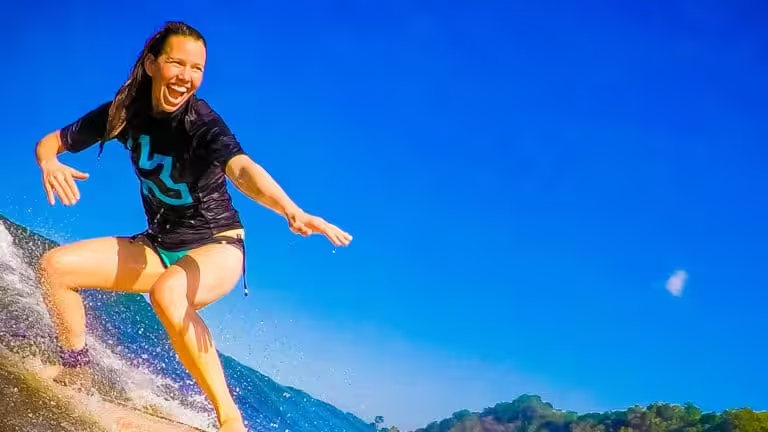
Playa Dominical is a beach break, which is the first thing worth knowing. No reef to shred your feet, no rock point to navigate, just a long stretch of sand where the waves break in shifting peaks. It has its mellow moments when it’s small, but when a south swell fills in during the green season, the same beach throws up fast, hollow waves that only experienced surfers should be chasing. It’s the wave that put Dominical on the map, and it’s earned its reputation.
That range is the whole appeal. Most surf destinations are good for one kind of surfer. The Dominical area works for a nervous first-timer and their experienced partner on the same morning: the gentler beaches nearby for one, Playa Dominical’s punchier peaks for the other. About 60% of the guests we coach have never surfed before, and the beaches around Dominical that we use are a big reason they’re standing up by day two.
The catch, and every honest local will tell you this, is that Playa Dominical has real current and shore break, and as the town’s main beach it draws the crowd. It’s not a wave to learn on, which is exactly why we don’t run our beginner sessions there. We teach at the calmer beaches around Dominical instead, and we schedule every session around the tide rather than the clock. The right window and the right beach are where beginners have their best day, and a coach who surfs this coast every day is how you find both.
Where Dominical actually is
Dominical sits on Costa Rica’s South Pacific coast, in the region called the Costa Ballena, the Whale Coast, at the gateway to the Osa Peninsula, one of the most biodiverse places on earth. It’s about a three-hour drive from San José’s international airport (SJO), down through the mountains and out to the water. Fly into San José, not Liberia. Liberia is hours in the wrong direction.
What that location gives you that the busier beach towns don’t: rainforest that comes right down to the sand, genuinely uncrowded line-ups, and a town small enough that people start to recognize you by Wednesday. There’s no airport-strip energy here. That’s the point.
Beyond Playa Dominical
The surfing doesn’t stop at the main beach. Within a short drive there’s a whole coastline:
- Dominicalito, a mellower cove just south, where we often take true first-timers on their opening day. Softer, more forgiving, less current.
- Playa Hermosa, a long, empty beach north of town with room to spread out.
- Marino Ballena National Park (Uvita), the famous whale-tail sandbar, humpback whales passing through twice a year, and calm water for the days you want the ocean without the challenge.
We move sessions between these depending on the tide, the swell, and honestly the guest. A good week in Dominical is never the same beach five days running. If you want the full breakdown of what breaks around here, we’ve mapped out the surf spots worth knowing and the most scenic beaches on this coast.
When to come
Short version: there’s no bad month. The water sits around 78°F all year, so you’ll never need a wetsuit. Dry season, roughly December to April, brings blue skies and cleaner conditions. Green season, May to November, brings bigger south swells, warm afternoon rain, lush jungle, and far fewer people. Beginners do beautifully in either.
The longer version, month by month with the swells and the weather, is in our guide to the best time to surf in Costa Rica. And if you’re pricing a trip while you pick your dates, we published exactly what a Costa Rica surf trip costs, our rates included.
What Dominical isn’t
Some honesty, because it saves everyone disappointment. Dominical is not a party town with a strip of surf hostels. It’s not Tamarindo. If you want thumping nightlife and a new bar every evening, you’ll find more of that further north.
What Dominical is: a small, unpolished town on a wild stretch of coast, backed by waterfalls and rainforest, where the surf is good, the crowds are thin, and the pace slows you down whether you planned it or not. Nauyaca Waterfalls is a morning’s hike or horseback ride away. The whales come through Marino Ballena. Toucans and sloths turn up in the trees like it’s nothing.
That’s the version of Costa Rica I moved here for in 2010, and it’s mostly still intact. If it sounds like your kind of trip, here’s what a week with us actually looks like: surf coaching, meals from our kitchen, and the quiet you didn’t know you needed.
Kjeld co-founded Kalon Surf in Dominical with his wife Silene. He’s lived on Costa Rica’s South Pacific coast since 2010 and still surfs most mornings the tide allows.
One more worry worth settling before you come: are there sharks in Costa Rica? Short version, even less to think about in the warm water where we surf.
Surfing Dominical means surfing near the Río Barú river mouth — so people ask about crocodiles. Here is the honest answer: Are there crocodiles in Costa Rica?