Local Surf Culture in Costa Rica
Surfing isn’t just a sport in Costa Rica — it’s woven into the culture. Having lived on the South Pacific coast since 2011, I’ve watched the surf community in Dominical evolve while staying rooted in the same values that drew me here in the first place: respect for the ocean, respect for each other, and […]
Surfing isn’t just a sport in Costa Rica — it’s woven into the culture. Having lived on the South Pacific coast since 2011, I’ve watched the surf community in Dominical evolve while staying rooted in the same values that drew me here in the first place: respect for the ocean, respect for each other, and a deep appreciation for the natural environment.
At Kalon’s luxury surf camp, we don’t just teach surfing. We immerse guests in the culture that surrounds it. That means understanding the unwritten rules, the local rhythms, and the philosophy that makes surfing in Costa Rica different from surfing anywhere else.
When Did Surfing Become Popular in Costa Rica?
Surfing as a sport in Costa Rica began gaining traction in the 1960s. What drew early surfers here is the same thing that draws them today: warm water year-round — sea temperatures around 78°F that mean you never need a wetsuit — consistent swell on both coastlines, and a welcoming culture that doesn’t treat outsiders as intruders.
| Aspect of Local Surf Culture | Description | Why It Matters |
|---|---|---|
| Warm Pacific Waves | Year-round 78°F, no wetsuit needed | Accessible for surfers of all levels and backgrounds |
| Community Beaches | Locals gather at dawn, waxing boards, sharing waves | Creates a welcoming, social environment |
| Environmental Respect | Reef protection, beach clean-ups, reef-safe sunscreen laws | Preserves ecosystems for future generations |
| ‘Pura Vida’ Lifestyle | Slow meals, hammock siestas, unhurried days | Promotes balance and wellbeing |
| Generational Knowledge | Traditions passed through local clubs and families | Strong shared expertise and deep local knowledge |
The Dawn Patrol and Community Spirit
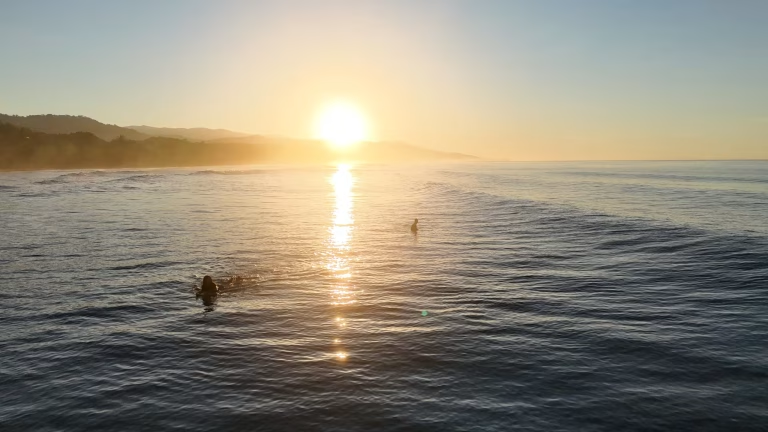
In Dominical, the day starts early. By first light, you’ll see locals on the beach — waxing boards, checking the conditions, exchanging a few words before paddling out. There’s an ease to it that reflects the broader Costa Rican approach to life: things happen when they happen, the ocean sets the schedule, and the social dynamic is organic rather than forced.
This is the same energy we’ve tried to capture at Kalon. When you learn how to balance surfing and exploring, you naturally fall into the rhythm of the coast. The surf schedule follows the tides. Meals happen at natural intervals. Evenings are social but never loud. It’s pura vida in practice, not just as a slogan.
Respecting Nature
Environmental consciousness runs deep in Costa Rica’s surf culture. Coastal communities teach locals and visitors alike how to protect reef ecosystems while surfing, swimming, and exploring. Beach clean-ups are common. Reef-safe sunscreen isn’t optional — Costa Rica has banned the sale of sunscreens containing oxybenzone.
At Kalon, our entire team is Costa Rican, and that environmental awareness is part of who they are. Our coaches don’t just know the waves — they know the reefs, the currents, the seasonal wildlife patterns, and the responsibility that comes with surfing in one of the most biodiverse regions on earth.
Embracing ‘Pura Vida’
‘Pura vida’ translates literally as “pure life,” but in practice it means something closer to “take it as it comes.” It’s a philosophy of presence, gratitude, and balance that shows up in everything from how meals are shared to how people greet each other to how surfers take turns in the lineup.
Most of our guests arrive from demanding careers and fast-paced lives. By mid-week, something shifts. They sleep better. They eat slower. They stop checking their phones as much. That’s not something we engineered — it’s what happens when you spend your mornings in the ocean, eat a proper lunch on the beach, and fall asleep at 9pm.
The surf culture here teaches you that a good life isn’t about doing more. It’s about doing the right things, with the right people, and being present for it.