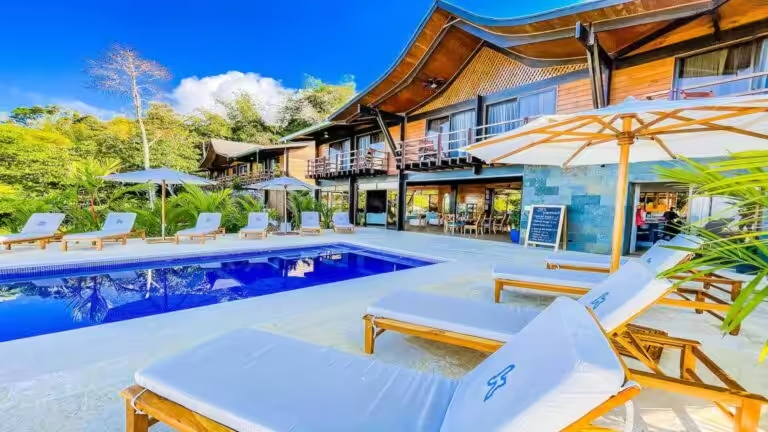
Surfing is hard work. You’re in the sun, fighting currents, paddling constantly — and by the time you get back to the beach, your body has burned through more energy than you realize. Water helps, but in Costa Rica, the real secret to staying fueled between sessions is the local fruit.
This isn’t the flavorless supermarket produce you’re used to back home. Tropical fruit in Costa Rica — grown in volcanic soil, picked ripe, eaten the same day — is a completely different experience. At Kalon Surf, we’ve built this into the rhythm of the week: fresh fruit at the beach after surf, fruit during video analysis sessions, and ingredients from our own property worked into the daily menu.
Here’s what you’ll actually encounter — and why it matters.
Fruits We Grow on the Kalon Property
Years ago, we planted fruit trees across the resort grounds. Today, many of the fruits our guests eat come straight from the property. It’s one of the small details that guests consistently mention in their reviews — as one TripAdvisor guest wrote: “The way the kitchen mixes local, fresh fruits and vegetables — from their own garden — was just amazing.”
Mamones (Mamón Chino / Rambutan)
These are the ones that stop guests in their tracks. Mamones look bizarre — spiky red skin, about the size of a golf ball — but crack one open and you’ll find a translucent, grape-like flesh that’s sweet, slightly floral, and almost impossible to stop eating. The name mamón chino literally means “Chinese sucker” in Spanish, and the fruit originally came from Southeast Asia, but it grows beautifully on Costa Rica’s Pacific coast.
Our mamón trees produce during the rainy season, with peak availability from August through October. Guests who visit during those months get to try them freshly picked. They’re packed with vitamin C — just 100 grams provides about two-thirds of your daily requirement — plus copper and potassium, which is exactly what your body needs after hours in the ocean.
Guayaba (Guava)
Also grown on the property. Guayaba is fragrant, slightly gritty in texture, and naturally sweet — it’s a fruit that tastes like Costa Rica smells. We use it in fresh juices, and our chef has recently started incorporating it into homemade ice cream. As a snack between surf sessions, it’s light enough not to weigh you down but substantial enough to get your energy back.
Guanábana (Soursop)
This is one of the more interesting fruits we grow, and one of the hardest to get right. Guanábana trees attract insects — not in a way that damages the fruit, but enough that we protect each one with small reusable plastic bags and inspect them every few days to make sure they’re developing properly.
The fruit itself is incredibly soft and delicate. Pick it too early and it’s unpleasantly sour. Wait too long and it falls from the branch — and because it’s so soft, it breaks on impact and is unusable. The window for perfect ripeness is narrow, which is what makes it special when you get it right.
When a guanábana is perfectly ripe, it’s remarkably sweet and creamy. Locals call it “nature’s ice cream” because of the texture. Our guests love it when it’s in season, and it makes one of the best smoothies you’ll ever have. It’s also loaded with vitamin C, B vitamins, and antioxidants — legitimate fuel for a week of surfing.
Plantains
Most of the plantains served at Kalon come from our own trees. Unlike the sweet bananas you eat raw, plantains are cooked — fried as patacones (crispy, twice-fried discs) or caramelized as maduros (sweet plantains). They’re a staple of Costa Rican cuisine and a solid source of complex carbohydrates, potassium, and magnesium. Perfect fuel before a morning session.
Local Favorites Guests Can’t Get Enough Of
Maracuyá (Passion Fruit)
This tends to be the fruit guests remember most. Maracuyá is tangy, intensely aromatic, and tastes nothing like the watered-down “passion fruit flavor” you find in drinks at home. Cut one open and the bright orange pulp is loaded with edible seeds — you can eat it straight with a spoon or mix it into juice.
It’s become a signature flavor in our kitchen. Our chef currently makes a maracuyá ice cream that has become a highlight of the food program. It’s also an excellent source of vitamin A, vitamin C, and iron — real recovery fuel wrapped in something that tastes like dessert.
Pineapple
Costa Rica supplies more than 40 percent of the world’s exported pineapples — but the ones you’ll eat here are nothing like what arrives in US or European supermarkets weeks after picking. Locally grown pineapple on the Pacific coast is sweeter, more aromatic, and almost creamy in flavor. We bring fresh-cut pineapple to the beach after nearly every surf session. It’s one of those simple things that guests appreciate more than you’d expect.
Beyond the taste, pineapple contains bromelain, an enzyme that can help reduce muscle inflammation — which is genuinely useful when you’re surfing for several hours a day, multiple days in a row.
Watermelon
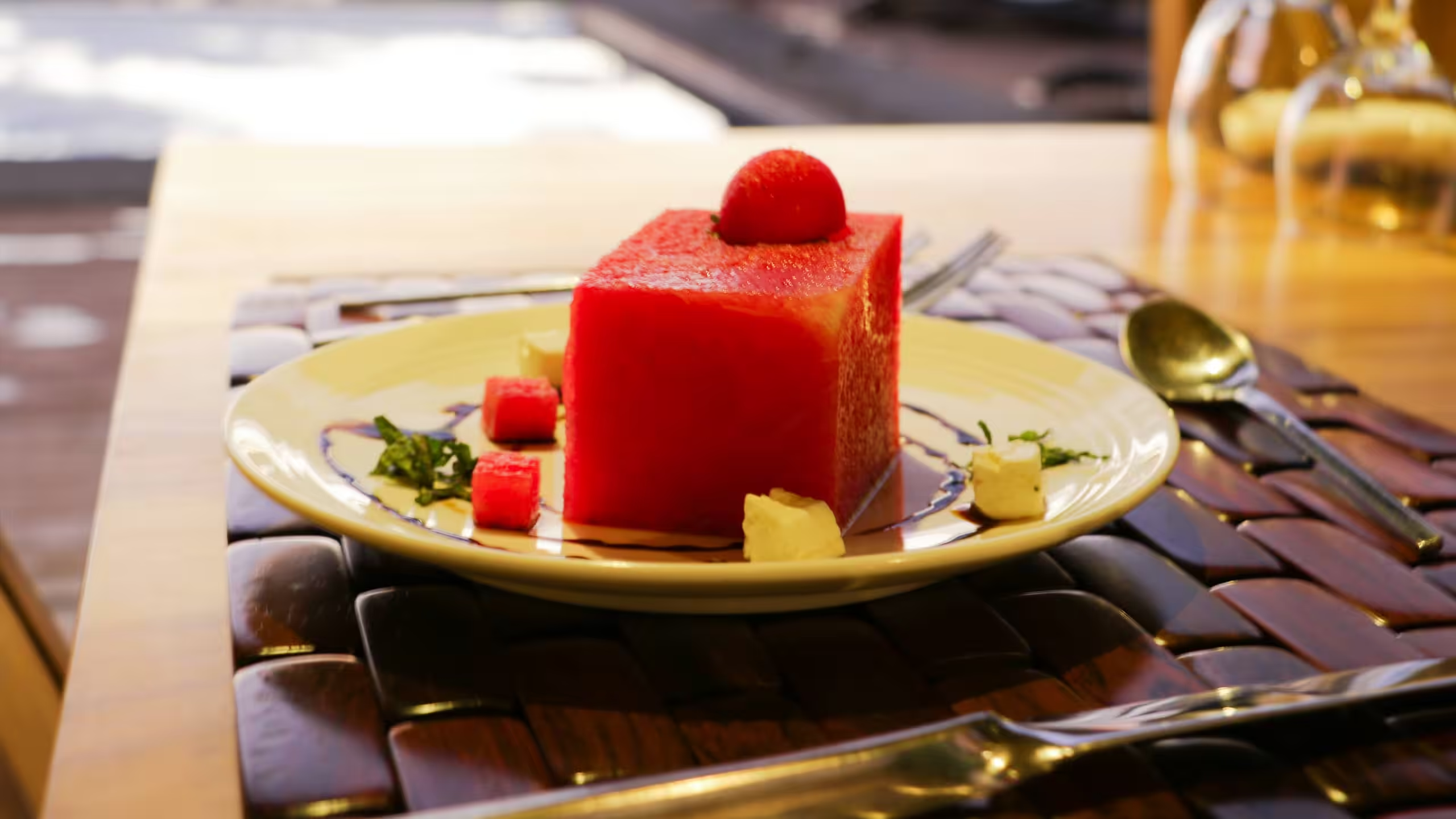
Like pineapple, the watermelons grown in Costa Rica’s climate are noticeably better than what most guests are used to. They’re intensely sweet and refreshing — perfect after a hot morning on the water. At the beach, our team almost always has watermelon and pineapple sliced and ready.
Coconut
Sourced from the beaches around Dominical and cracked fresh. A single coconut contains roughly 600mg of potassium, natural electrolytes, and enough hydration to rival any sports drink — without the artificial ingredients. One of our TripAdvisor reviewers captured it well: “One of the staff climbed a coconut tree and got us all fresh coconuts — nothing better after a day of surfing!”
Cas
Most visitors have never heard of this one. Cas is a small, round fruit native to Costa Rica — yellow to green when ripe — that’s tart, refreshing, and rich in antioxidants. It’s about 80 percent water, making it excellent for hydration. You’ll find it most commonly as a fresh juice (fresco de cas), and once you try it, you’ll be ordering it at every restaurant for the rest of your trip.
How We Work Fruit Into the Week
At Kalon, fruit isn’t just available — it’s woven into the experience. Here’s what a typical week looks like:
At the beach: After surf sessions, our team sets up under shade with fresh-cut pineapple, watermelon, coconut water, and whatever else is in season. Coming in from the ocean exhausted and being handed a cold slice of pineapple is one of those small moments that guests talk about long after they leave.
During video analysis: When the group gathers to review the morning’s surf footage, we bring out seasonal fruit alongside the snacks. Depending on what’s available, you might try mamones for the first time, or discover that maracuyá eaten fresh is a completely different experience from anything you’ve had before.
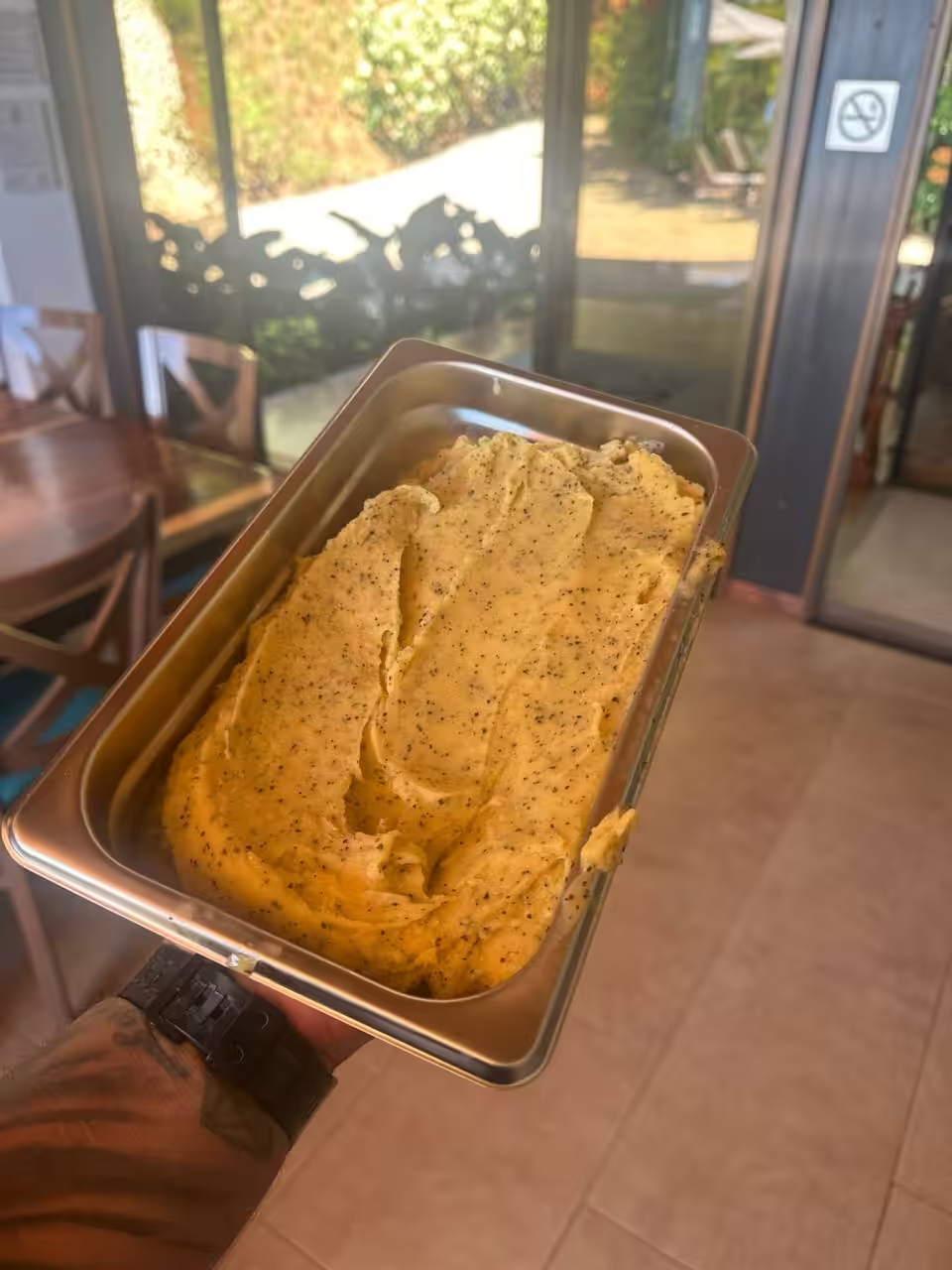
In the kitchen: Our chef works local fruit and ingredients into the daily menu — from breakfast smoothies to dinner courses to the homemade ice creams. Current favorites include the maracuyá ice cream and a version made with natilla, a local Costa Rican cream that’s rich and slightly tangy. There’s always something for guests who aren’t big fruit people, too.
On the property: Depending on the season, you can literally walk the grounds and see the mamón trees, guayaba, plantains, and guanábana growing. It connects what’s on your plate to where you are in a way that a regular hotel menu never does.
The Difference You’ll Actually Feel
There’s a practical side to all of this. When you’re surfing three to four hours a day in tropical heat, what you eat between sessions directly affects how you feel in the water the next morning. Our all-inclusive program is built around this — the food, the timing, the hydration — so that guests feel strong all week, not just on day one.
It’s also one of the reasons our yoga and wellness program pairs so well with the surfing. Recovery isn’t just about stretching — it’s about fueling properly, staying hydrated with actual nutrients (not just water), and giving your body what it needs to show up ready the next day.
As one guest put it simply: “Best all-inclusive vacation! Surfing was great, FOOD was fabulous.”
Ready to Taste It for Yourself?
The fruit alone is worth the trip — but combined with world-class surf coaching, an incredible food program, and a week in one of the most beautiful corners of Costa Rica, it’s an experience that’s hard to replicate anywhere else. Get in touch and we’ll help you plan the right week.