Essential Gear for Surf Lessons
Costa Rica surf lessons require a few essential pieces of equipment, the most important being a surfboard with a leash. Other basics include proper swimwear (a rashguard or, in cooler water, a wetsuit), reef-safe sunscreen, and sometimes protective eyewear. When you head to a surf camp, it helps to understand each piece of gear, and […]
Costa Rica surf lessons require a few essential pieces of equipment, the most important being a surfboard with a leash. Other basics include proper swimwear (a rashguard or, in cooler water, a wetsuit), reef-safe sunscreen, and sometimes protective eyewear. When you head to a surf camp, it helps to understand each piece of gear, and to check what you need to bring versus what the surf school provides.
What You Need for Surf Lessons
One of the first things to consider when you prepare for surf lessons is equipment: not just what you need to ride waves, but what keeps you safe and comfortable. Here is what a typical setup looks like.
Surfboard
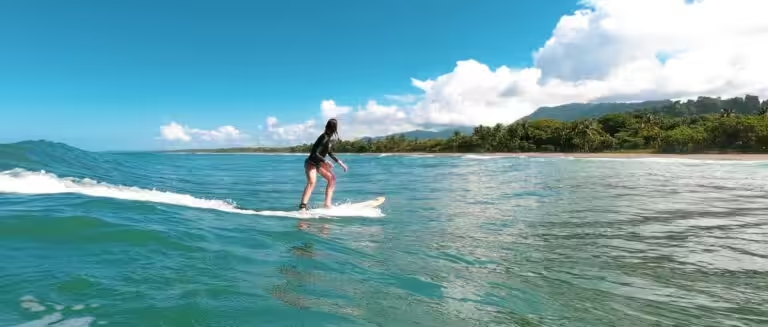
Beginners learn fastest on longer, more stable boards. Soft-top foam boards are common for first lessons because they are forgiving and safe, while foam-and-fiberglass hybrids offer more performance as you improve. The key is matching the board to your level and the day’s waves. At Kalon, guests use quality Firewire and Slater Designs boards matched to their ability, so you are always on the right board. Each one comes with a leash for your ankle, so your board never gets away from you.
Swimwear
Your surfing outfit should be comfortable but secure to move in. What you wear over your swimwear depends on the water. In warm tropical water like Costa Rica’s, a rashguard protects against sun and board rash and is usually all you need. In cooler water a wetsuit adds warmth, though one is rarely needed on Costa Rica’s Pacific coast.
Sun Protection
Tropical sun is intense, and you will be in the water for hours, so sun protection is a must. Use a reef-safe, water-resistant sunscreen to protect both your skin and the ocean, and reapply often. Many surfers add a zinc stick for the face and a hat for time on the beach.
Extras That Help
- Eye protection: goggles help some surfers see better and protect their eyes.
- Extra grip: wax or a traction pad helps with board grip; your coach can apply it to the deck.
- For the beach: a towel, water bottle, and change of clothes for after surfing.
Why the Right Gear Matters for Learning
Good equipment does more than keep you comfortable; it directly affects how fast you improve. A board that is too small or too advanced makes catching waves needlessly hard and can be discouraging. The right board for your level and the day’s conditions helps you catch more waves and build confidence. The same goes for the small things: swimwear you can forget about and sunscreen that keeps you in the water longer without burning. This is a quiet advantage of learning at a full-service resort like Kalon, where coaches match you with quality boards and swap them as you progress, so your energy goes into technique like how to pop up rather than logistics.
What to Pack for Surf Lessons
The beauty of an all-inclusive setup like Kalon’s is how little you have to think about. Instead of shopping for boards or second-guessing your packing list, your gear is simply there when you arrive, matched to your level. Kalon Surf handles what you need in and out of the water. Explore Kalon’s all-inclusive surf camp today.