Common Surf Injuries and First Aid in Costa Rica
Surfing in Costa Rica is incredible — but it’s also a physical sport in a natural environment, and understanding the risks is part of being a responsible surfer. At Kalon, our Costa Rica all-inclusive surf camp takes safety seriously, and we want guests to feel informed, not anxious. Most injuries in surfing are minor, and […]
Surfing in Costa Rica is incredible — but it’s also a physical sport in a natural environment, and understanding the risks is part of being a responsible surfer. At Kalon, our Costa Rica all-inclusive surf camp takes safety seriously, and we want guests to feel informed, not anxious. Most injuries in surfing are minor, and almost all of them are preventable with the right awareness and coaching. Our deeper guide to surfing injury prevention for adults covers exactly how to build that awareness.
| Surf Injury | How It Happens | Quick First Aid |
|---|---|---|
| Reef Rash & Cuts | Falling onto coral, rocks, or reef breaks | Rinse with clean water, apply antiseptic, cover wound |
| Muscle Strains | Overexertion from paddling, especially early in the week | Stretch before and after, rest between sessions |
| Board Impact | Being hit by a surfboard — yours or someone else’s — in crowded waves | Apply ice, clean cuts, seek medical care for deeper injuries |
Reef Rash and Lacerations
Reef rash is the most common minor injury in tropical surfing — small scrapes or cuts from contact with rock, sand, or shallow reef. It’s rarely serious, but it needs attention. Rinse the area with clean water as soon as possible, apply antiseptic cream (one of the most important must-have surf camp gear suggestions), and keep the wound clean and covered. Tropical environments are warm and humid, which means even small cuts can become infected if neglected.
At Kalon, our coaches select beaches and surf spots carefully each day based on conditions — including reef exposure. When beginners are in the water, they’re on appropriate breaks with sandy bottoms whenever possible. Reef booties are an option for anyone who prefers extra protection.
Muscle Strains and Overexertion
Paddling accounts for a significant portion of time in the water — sometimes 50 to 80% of a surf session. For guests who aren’t conditioned for that, shoulder and upper back strains are common, especially in the first couple of days. Some surf training exercises to prepare before your trip can make a real difference.
This is also why Kalon’s schedule is built the way it is. We don’t throw you into a full day of surfing on day one. The first morning includes a pool technique session to warm up your body and get comfortable with the movements. Wednesday is a full rest day — no surfing, no schedule. Most guests get a massage, stretch, or sit by the pool. That mid-week recovery is intentional, and it means you surf better in the second half of the week.
We also offer yoga sessions specifically designed around the muscles and movement patterns that surfers use — hip flexibility, shoulder mobility, back strength. These aren’t generic yoga classes. They’re built to complement what happens in the water.
Board Impact Injuries
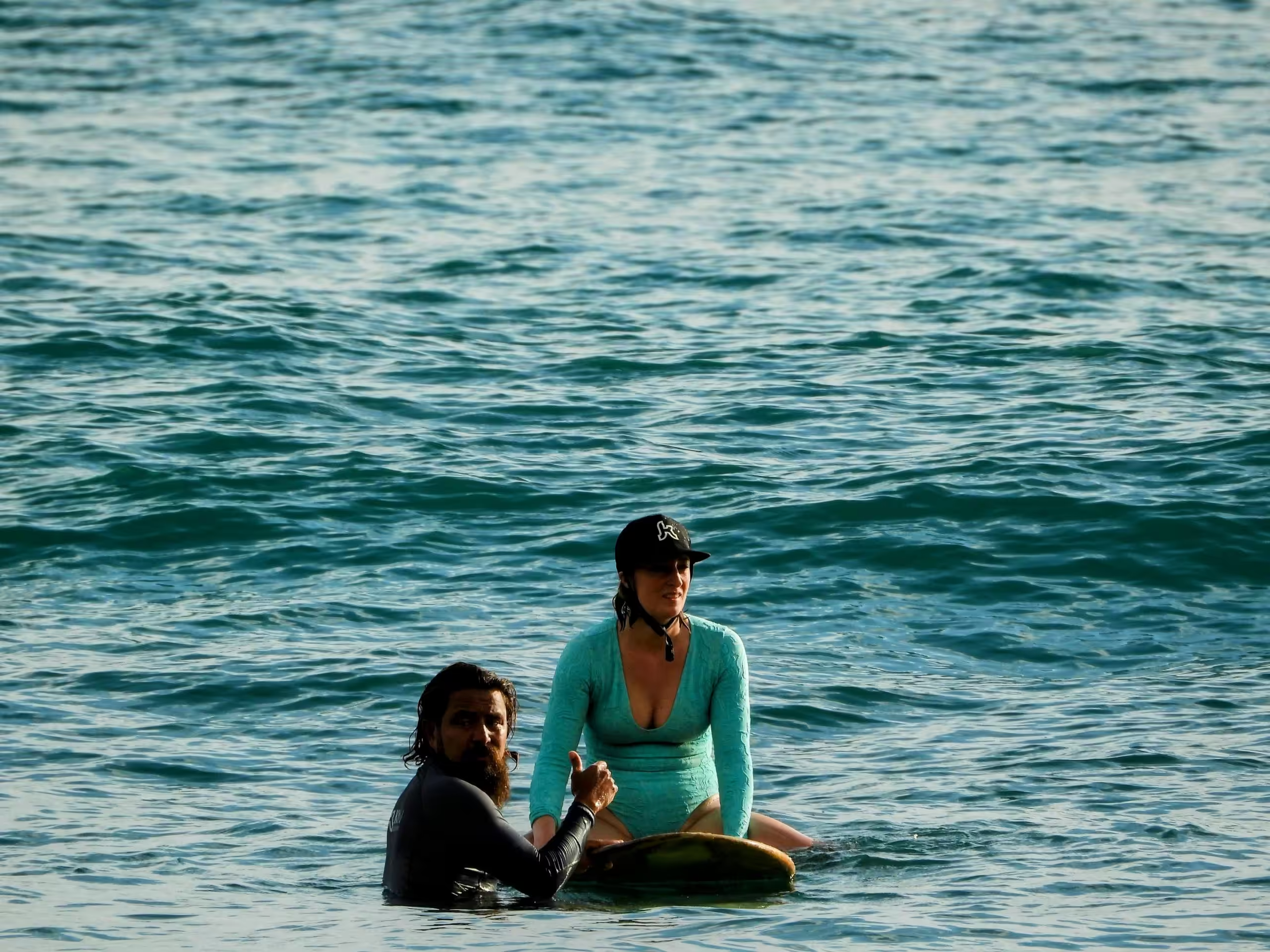
Getting hit by a surfboard — your own or someone else’s — happens more often in crowded lineups. It’s one of the main reasons we take guests to uncrowded beaches and keep a low guest-to-coach ratio. When there are only three people per coach in the water, there’s space to move, space to fall safely, and fewer boards flying around.
For any impact, the standard advice applies: clean any cuts, apply ice to reduce swelling, and monitor for anything that needs medical attention.
First Aid and Healthcare in Costa Rica
Costa Rica maintains a well-developed public healthcare system. Towns near Dominical, Uvita, and Manuel Antonio have clinics with qualified doctors, and Kalon is connected to local medical resources. For more serious situations — which are rare — there are hospitals in nearby towns accessible within a reasonable drive.
At Kalon, our coaches are all trained in water safety and first aid, and as a 100% Costa Rican team, they bring detailed knowledge of local conditions, currents, and potential hazards. Safety isn’t something we leave to chance.